バナー
  • 精度とパフォーマンスの向上:Safekesoの注目すべきアルミニウム部品
    精度とパフォーマンスの向上:Safekesoの注目すべきアルミニウム部品 Jan 06, 2025
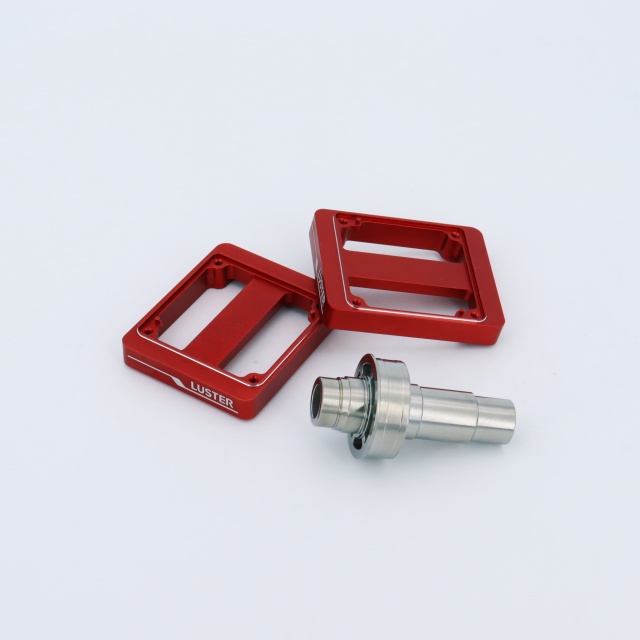
    タイトル:タイトル:精度とパフォーマンスの強化:Safekesoの注目すべきアルミニウム部品 導入: 主要なSafekesoへようこそ OEMメーカー 専門 精密機械加工 そして アルミニウム部品のカスタム製造。品質と並外れたサービスに対する揺るぎないコミットメントにより、Safekesoは信頼できるアルミニウムコンポーネントを求める企業にとって頼りになる選択肢になりました。このブログでは、アルミニウム部品の注目すべき世界とその多様なアプリケーションを探ります。 1。比類のない精度: Safekesoでは、私たちが生産できるようにする最先端の機械加工機能に誇りを持っています CNCアルミニウム部品 比類のない精度で。当社の高度に訓練された技術者は、高度なCNCマシンと最先端のソフトウェアを利用して、最大の精度と厳しい許容範囲を確保しています。私たちの正確な職人技により、私たちはあなたのアプリケーションに最適なパフォーマンスを保証する最も要求の厳しい仕様に会い、それを超えています。   2。軽量で耐久性: アルミニウム部品の重要な利点の1つは、軽量のデザインと耐久性の例外的な組み合わせです。アルミニウムの密度は非常に低く、強度を損なうことなく他の金属よりも大幅に軽量化しています。このユニークな特性により、アルミニウムの部品はさまざまな業界で非常に人気があります。 航空宇宙, 自動車、 そして エレクトロニクス、体重減少とパフォーマンスが重要です。   3。カスタマイズによる汎用性: Safekesoでは、すべてのプロジェクトに独自の要件があることを理解しています。そのため、アルミニウム部品に包括的なカスタマイズオプションを提供しています。複雑な形状から複雑な機能まで、仕様に完全に適合するテーラードソリューションを提供できます。あなたが必要かどうか CNCマシンのアルミニウム成分 プロトタイプ、生産の実行、または交換部品の場合、私たちのチームはあなたのアイデアを実現することに専念しています。   4。幅広いアプリケーション: アルミニウムの部品は、多様な産業全体でアプリケーションを見つけ、テクノロジーとイノベーションの進歩を可能にします。アルミニウム成分が優れている注目すべき領域のいくつかを探りましょう。 - 航空宇宙:アルミニウムの軽量および腐食耐性の特性により、胴体、翼、エンジン部品などの航空機のコンポーネントに最適であり、燃料効率とパフォーマンスの向上に貢献します。   - 自動車:エンジンブロックやトランスミッションケーシングから懸濁液や体構造まで、アルミニウムは、構造の完全性を維持しながら、車両の重量を削減し、燃費を促進する上で重要な役割を果たします。   - エレクトロニクス:アルミニウムの熱散逸機能により、ヒートシンク、電子エンクロージャー、コネクタに最適な選択肢となり、効率的な冷却と繊細な電子コンポーネントの保護を確保します。   - 再生可能エネルギー:アルミニウムの強度、腐食に対する抵抗、およびリサイクル性により、風力タービン、ソーラーパネル、およびその他の再生可能エネルギーシステムに適した材料になり、持続可能な未来を促進します。   結論: Safekesoは、求めている企業の信頼できるパートナーとして立っています 精密製造 アルミニウム部品。 CNCの機械加工、カスタマイズ機能、卓越性へのコミットメントに関する専門知識により、プロジェクトの顕著な結果を保証します。航空宇宙、自動車、エレクトロニクス、または再生可能エネルギー産業のいずれにいても、当社の高品質のアルミニウムコンポーネントは、パフォーマンスと信頼性の向上の基盤を提供します。今すぐSafekesoに連絡して、アプリケーションのアルミニウム部品の真の可能性を解き放ちます。   Safekesoでは、あらゆる正確な詳細で卓越性を提供することを忘れないでください。
  • カスタム加工:プロジェクトの引用カスタムマシニングの準備方法は次のとおりです Jan 10, 2025
    最近、カスタムパーツデザインを考え出しましたか、それとも特別な要件を持つ部品を製造する必要がありますか?その場合、次のステップはメーカーを雇い、3Dコンピューター支援設計(CAD)ファイルを送信し、公正な製品の見積もりを受け取り、製品を製造することです。正確ではありません。 真実は、製品が最初から製造用に正しく設計されていない場合、多くのことがうまくいかないということです。たとえば、製品を役に立たなくする膨大な製造コストまたは欠陥が発生する可能性があります。したがって、3D CADを作成してそのメーカーに連絡する前に、最初に理解しなければならないものとデザインのヒントがいくつかあります。 この記事では、これらすべてをカバーしています。プロジェクトの引用の準備を支援するガイドとして機能します。 カスタムCNC加工のためのいくつかの設計ガイドライン 高品質の部品を達成し、製造コストを削減するのに役立つ役立つ設計ガイドラインを以下に示します。 #1キャビティ キャビティとポケットを設計して、空洞の幅の4倍未満の深さを持つ必要があります。これは、エンドミルツールの切断長の長さが限られているため、深さと幅の比率が小さいキャビティを製造するときに、ツールのたわみと振動を経験する可能性があります。 ただし、製品設計でより大きな深さと幅の比率が必要な場合は、特殊な切削工具が必要になり、追加の製造コストが発生する可能性があります。 #2壁の厚さ 薄い壁は、CNC加工中に振動が発生しやすく、機械加工された部品の達成可能な耐性と精度が低下します。したがって、原則として、最小壁の厚さは0.8 mmになるように金属部品を設計する必要がありますが、プラスチック部品の最小壁の厚さは1.5 mmでなければなりません。 より薄い壁を達成することは可能ですが、通常は追加の製造コストが伴います。 #3ホール 標準の直径を持つように穴を設計する必要があります。これにより、標準のドリルビットサイズを使用してこれらのホールを作成し、特殊エンドミルツールの必要性を排除できます。また、穴の深さは、ツールのたわみを最小限に抑えるために、エンドミルの名目直径の4倍未満であることをお勧めします。 #4許容範囲 耐性とは、機械加工された部分のサイズの許容量の変動であり、それでも適切に機能することができます。 製品設計者は通常、物理的次元でのバリエーションの許容限界を述べることにより、メーカーに対する許容範囲を指定します。 「±」シンボル(「プラスまたはマイナス」と発音)を使用して許容値を指定し、たとえば±0.05 mmなどの値を伴うことができます。たとえば、図4に示すように、2つの穴(直径21±0.25 mmの)で部品を製造する予定だとします。 このようなシナリオでは、標準の直径値よりも0.25 mmの余分な(またはそれ以下)の偏差を許可することを意味します。したがって、メーカーが直径21.25 mmまたは20.75 mmの穴を製造している場合、部品の適切な機能には影響しません。 CNCマシンは、最も正確な製造技術の1つであり、最大±0.04 mmの厳しい許容範囲を達成できます。ただし、耐性の要件をより厳しくすると、製造コストが高くなることに注意してください。 理想的な表面仕上げを選択してください CNC加工プロセスは減算的ですが、優れた表面仕上げの部品を生産するのは素晴らしい仕事です。 「マシン化された」表面仕上げは、CNCマシンから直接届く機械加工された部品を指します。これらの部品は、製造プロセスの正確性を保持し、追加費用は必要ありません。 部品には、陽極酸化やパウダーコーティングなどの追加の後処理オプションが必要な場合は、メーカーからのより高いプロジェクトの引用が期待できます。 カスタムCNC加工:Safekesoが役立ちます カスタムの機械加工と製品設計のヒントについてもう少し知っているので、プロジェクトの見積もりと製品開発の成功は製品の設計に依存することにおそらく同意するでしょう。そのため、製品のデザインを調べ、自分に最適なものについてアドバイスするメーカーと協力しなければなりません。 Safekeso Precision Machiningは、アジア全土のカスタムCNC加工サービスの大手プロバイダーです。私たちには、あなたの製品を正しく成功させることができる高度に資格のあるエンジニア、技術者、品質管理の専門家のチームがあります。私たちは顧客の最善の利益を念頭に置いているので、私たちを使用してください 引用ツール 3D CADファイルをアップロードするには、見積もりをリクエストし、高度に資格のあるエンジニアと製造プロジェクトについて話し合います。
  • What Is a CNC Lathe? Everything You Need to Know About CNC Lathing Dec 03, 2025
      CNC lathes remain one of the most important machine types in modern manufacturing, powering industries from automotive to aerospace with accuracy, speed, and repeatability. If you're researching CNC lathing for your next project—or comparing CNC lathe machines, CNC machine lathes, or even trying to understand what is CNC lathe—this guide gives you everything you need to make informed decisions.   And if you're looking for fast, reliable machining services, we provides high-precision CNC turning and milling with instant quoting and a wide selection of materials to support both prototyping and production     Understanding CNC Lathes Definition and Key Components of a CNC Lathe   A CNC lathe is a computer-controlled machine tool designed to rotate a workpiece while cutting tools remove material to create cylindrical or conical geometries. Unlike manual lathes, CNC lathe machines operate through programmed commands, ensuring consistent dimensions even across large production batches.   A typical CNC lathe machine includes: Headstock: houses the spindle that rotates the part Chuck: grips the material Tool turret: holds multiple CNC tools Bed & carriage: provide machine rigidity Control system: executes CNC turning programs Tailstock (optional): supports long workpieces These elements work together to deliver smooth, accurate cutting, making CNC lathing suitable for both simple shafts and highly complex components.   Differences Between CNC Lathes and Conventional Lathes   Conventional lathes require manual adjustments, which slows down production and introduces human error. A CNC machine lathe, by contrast, runs automated toolpaths defined in G-code. The benefits include: Faster cycle times Higher precision and repeatability Better safety Ability to handle complex geometries Automated multi-tool operations For manufacturers needing accuracy within microns or consistent production day after day, CNC lathes outperform manual machines in every category.   Core Advantages of CNC Lathing CNC lathing offers several strong advantages: Superior roundness and concentricity for rotational parts Excellent surface finish due to continuous cutting Strong material compatibility, including aluminum, steel, stainless steel, copper, brass, plastics, and more Great scalability, from prototypes to mass production Tight tolerances, often ±0.005 mm on high-end systems These strengths explain why CNC lathe machines remain foundational in nearly all manufacturing sectors.     How CNC Lathe Machines Work     Overview of the Lathing Process The CNC lathing process begins by mounting raw material—typically a bar or billet—into the chuck. As the spindle rotates the workpiece, CNC cutting tools move linearly along X and Z axes to remove material and create the desired geometry. CNC lathing is especially efficient for: Shafts Pins Bushings Sleeves Threads Custom cylindrical forms   Because the workpiece rotates while the tool moves, the process is optimized for parts where diameter features dominate.   CNC Programming Basics for Turning Operations At the heart of every CNC lathe machine is a program composed of G-code and M-code. These commands tell the machine: How fast to the spindle rotate How quickly do cutting tools feed into the material Which tools to activate What path should the tool follow   Programs are often written manually for simple parts or generated with CAD/CAM software for complex geometries. Understanding these fundamentals is essential for efficient CNC lathing.   Motion Control and Spindle Operation   CNC lathes synchronize motion between the spindle and cutting tools. Toolpaths rely on precise feed rates, calculated surface speeds, and appropriate depth of cut. Advanced CNC machine lathes use: Servo motors for precise tool motion Variable-frequency drives to control spindle speed Automatic tool changers for seamless multi-operation machining Together, these systems deliver both speed and accuracy.     Common Types of CNC Lathe Machines Horizontal CNC Lathes Horizontal CNC lathes are the most widely used type of turning equipment, with the spindle oriented parallel to the machine bed. They excel at machining long, cylindrical parts and support both small-batch and mass production. Because chips naturally fall away from the cutting zone, these machines offer excellent chip evacuation, stable cutting conditions, and flexible turret configurations. Sizes range from compact turning centers—ideal for small parts—to heavy-duty industrial lathes capable of handling workpieces hundreds of millimeters in diameter. Many horizontal machines can be equipped with bar feeders, automatic loading systems, and sub-spindles to improve throughput. Key factors to evaluate include bed rigidity, spindle torque and speed, turret capacity, and the maximum turning diameter/length ratio (L/D), which influences stability and machining efficiency. Typical applications: shafts, bearing housings, cylinders, gear blanks, and various rotational components.   Vertical CNC Lathes   Vertical CNC lathes position the spindle vertically, with the workpiece mounted on a horizontal table. This configuration is ideal for large-diameter, short-height components, as gravity assists with part positioning and workholding stability. It also makes loading heavy parts safer and easier. Vertical lathes are known for exceptional rigidity when handling large, heavy, or wide workpieces, making them a staple in industries requiring oversized components. Important considerations include maximum turning diameter, table load capacity, machine rigidity, and spindle power.   Typical applications: large flanges, disks, turbine housings, rotors, and components for wind power, construction, and heavy machinery.   Precision CNC Lathes and Multi-Axis Machines   Precision CNC lathes and multi-axis turning centers are designed for complex geometries and ultra-tight tolerances. These machines often include high-precision linear guides, thermal compensation systems, scale feedback, and advanced CNC controls. Multi-axis machines may integrate C-axis, Y-axis, sub-spindles, and driven tooling, allowing complete machining—turning, milling, drilling, and tapping—in a single setup. This reduces cycle time, improves accuracy, and eliminates secondary operations. Precision machines commonly use high-speed, low-vibration spindles and rigid tooling systems (such as HSK or BT holders) to deliver micron-level accuracy and excellent surface finishes. Typical applications: medical implants, aerospace components, precision instrument parts, high-end mold components, and any part requiring complex profiles or tight tolerances.     CNC Lathe vs Other CNC Machines Key differences between CNC lathes and mills   A CNC lathe operates by rotating the workpiece at high speed while the cutting tool remains stationary or moves along a controlled axis. This turning-based process makes it exceptionally effective for producing round, tubular, and symmetrical shapes with consistent concentricity. CNC mills, on the other hand, remove material using a rotating cutting tool that moves across multiple axes. Milling machines are better suited for flat surfaces, slots, pockets, and complex 3D forms. Compared with milling, a CNC lathe generally delivers higher efficiency for rotational components, faster material removal for cylindrical profiles, and tighter geometric tolerances for features such as diameters, tapers, and threads. If you're interested in understanding milling processes in more depth, you can continue with our Bed Milling Explained.   Advantages of using a lathe for specific parts When manufacturing shafts, bushings, pins, spacers, and threaded connectors, a CNC lathe offers superior stability and repeatability. The continuous rotation of the workpiece allows for smooth surface finishes and accurate dimensional control, especially on long or slender parts. For high-volume production, the turning process significantly reduces cycle time, lowering overall machining costs. Modern CNC lathes can also integrate operations such as drilling, tapping, grooving, and parting directly into the same setup, minimizing repositioning errors. This combined functionality is highly beneficial for parts that require multiple machining steps but must maintain tight tolerance alignment across all features.   Application scenarios A CNC lathe is widely applied across automotive, aerospace, medical devices, consumer electronics, industrial automation, and custom hardware manufacturing. Common examples include motor shafts, gear blanks, threaded inserts, precision fasteners, hydraulic fittings, valve components, connector housings, bearing parts, and high-accuracy prototypes. It is especially valuable in scenarios where roundness, diameter precision, and concentricity are critical. In prototyping, a CNC lathe supports quick iteration with consistent dimensional results, while in mass production, it ensures stable quality with efficient material utilization and reduced machining time.     How Much Does a CNC Lathe Cost? Factors Affecting CNC Lathe Pricing CNC lathe machine cost varies widely. Key pricing factors include: Machine size and rigidity Horizontal vs vertical configuration Precision and number of axes Control system brand Maximum spindle speed Tool turret capacity Production-grade CNC lathes typically cost more because they offer tighter tolerances and faster cycle times.   Typical Cost Ranges Approximate global pricing: Entry-level CNC lathes: $6,000–$15,000 Mid-range industrial machines: $20,000–$80,000 High-end multi-axis lathes: $100,000–$350,000+ Operational costs—tooling, maintenance, power—should also be considered.   Tips to Optimize Machining Cost Choose the right machine size for your parts Avoid unnecessary tolerances Select easily machinable materials Minimize tool changes Optimize programming to reduce air-cutting time For outsourcing, we offers instant quoting that automatically identifies cost-drivers, helping teams refine designs early.     Applications of CNC Lathes   CNC lathes play a foundational role in modern manufacturing because they can produce rotational, symmetric, and highly accurate parts at scale. Their precision, repeatability, and ability to cut complex geometries with minimal human intervention make them essential across countless industries. Whether the requirement is tight tolerances, smooth surface finishes, or efficient mass production, CNC lathing remains one of the most reliable machining processes in use today.   Industries Using CNC Lathes CNC lathes are used in nearly every engineering sector, but several industries rely on them heavily due to the demanding tolerances and durability their components require: Automotive & TransportationEngine components, shafts, bushings, fasteners, gearbox parts, and custom aftermarket components are frequently produced by CNC lathes. High-volume turning ensures consistent performance under thermal and mechanical stress.   Aerospace & DefensePrecision is non-negotiable in aerospace. CNC lathes produce lightweight, high-strength components such as actuator housings, turbine rings, hydraulic fittings, and threaded connectors with strict tolerance control.   Industrial Machinery & RoboticsCNC lathes create spindle components, couplings, rollers, sleeves, and automation parts that require stable roundness and wear resistance for long-term performance.   Electronics & EnergyConnectors, insulators, sensor housings, and precision terminals are often lathe-machined. In the energy sector, CNC lathes support oil & gas tools, power equipment, and high-pressure fittings.   Medical DevicesSurgical instruments, orthopedic implants, dental components, and small precision parts benefit from the lathe's ability to deliver micron-level accuracy and clean surface finishes.   Custom Manufacturing & PrototypingFor low-volume custom parts, CNC lathes provide fast turnaround, tight tolerances, and cost-effective production—ideal for R&D teams and product development.   Common Parts Produced by CNC Lathes Because lathes specialize in rotational parts, the most frequently produced components include: Shafts, rods, axles, and pins Sleeves, bushings, spacers Nuts, bolts, threaded inserts Fittings and couplings Housings and cylindrical enclosures Hydraulic and pneumatic components Bearings rings and precision rollers   These parts typically require excellent concentricity, smooth surface finish, and predictable dimensional accuracy—strengths that CNC lathes consistently deliver.   Benefits in Manufacturing The widespread use of CNC lathes stems from several tangible advantages that make them valuable in both prototype and production environments: Outstanding repeatability Once programmed, CNC lathes replicate parts with minimal deviation, making them ideal for mass production.   High efficiency and speed Automated turning dramatically shortens cycle times for cylindrical components compared with manual lathes or milling solutions.   Superior surface finishes Lathes can achieve extremely smooth finishes—often without secondary grinding—reducing total manufacturing time.   Wide material compatibility Metals (aluminum, steel, stainless steel, brass, copper, titanium), plastics, and composites can all be effectively machined.   Cost-effective production For cylindrical parts, CNC lathing is often the most economical manufacturing method due to optimized toolpaths and reduced machining passes.   Whether for precision machining, high-volume production, or rapid prototyping, CNC lathes remain one of the most versatile and indispensable tools in modern manufacturing.                            

助けが必要ですか?チャットしてみよう

伝言を残す
情報または技術サポートが必要な場合は、フォームにご記入ください。アスタリスク* の付いたフィールドはすべて必須です。
提出する
探している FAQs?
お問い合わせ #
+86 15375471059

営業時間

月曜日:午前9時~午前12時、午後2時~午後6時

火曜日:午前9時~午前12時、午後2時~午後6時

水曜日:午前9時~午前12時、午後2時~午後6時

木曜日:午前9時~午前12時、午後2時~午後6時

金曜日:午前9時~午前12時、午後2時~午後6時

(上記時間はすべて中国時間です)

営業時間外でもメールでご連絡いただければ、営業担当者を手配してサービスを提供いたします

製品

ワッツアップ

お問い合わせ