バナー
  • Sheet Metal vs CNC Machining: A Guide to Choosing the Right Method for Your Metal Parts Jan 28, 2026
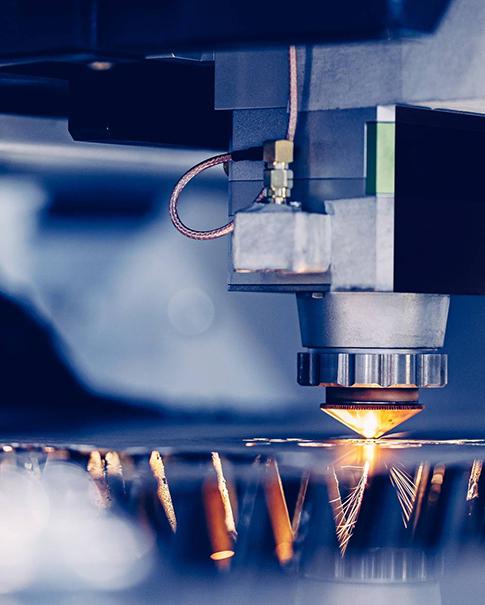
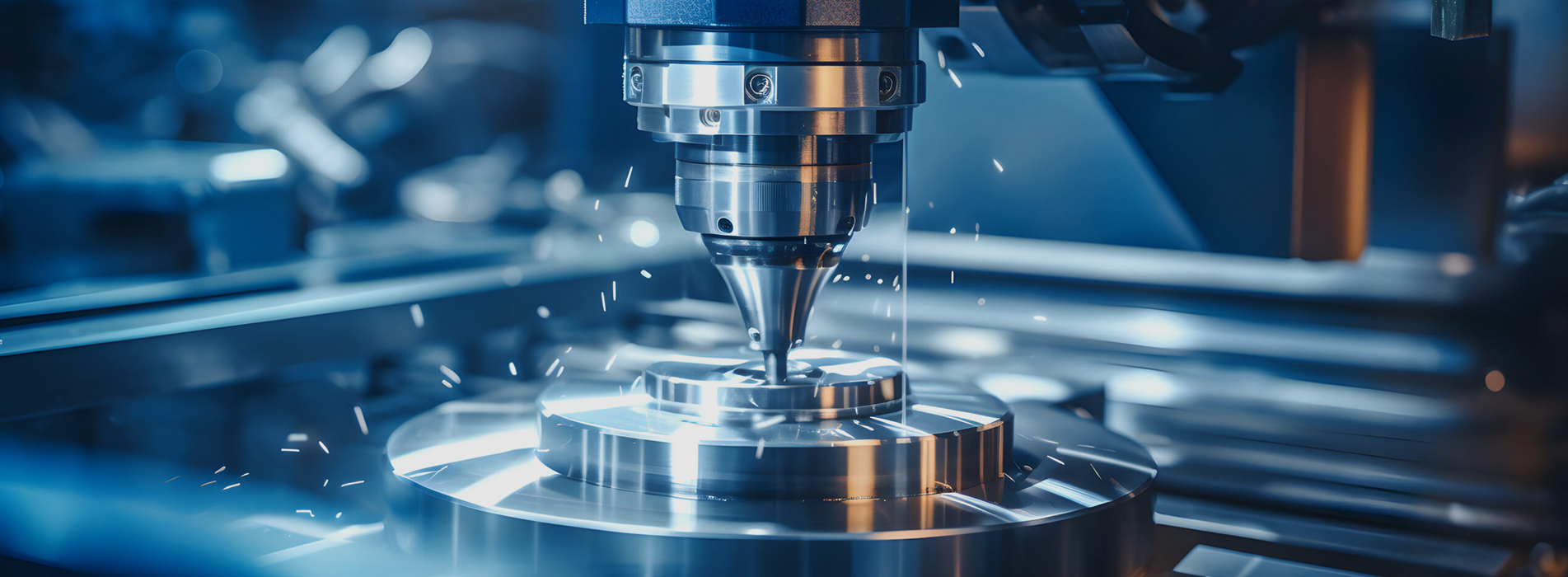
    When it comes to fabricating metal parts, people often face the dilemma of choosing between sheet metal fabrication and CNC machining. Each method offers unique advantages, and the decision depends on various factors such as part complexity, precision requirements, cost considerations, and production volume. In this article, we will delve into the characteristics of sheet metal fabrication and CNC machining, helping you make an informed decision on the optimal method for your specific metalworking needs.     What is Sheet metal fabrication   Sheet metal fabrication is a manufacturing process that involves shaping and forming flat sheets of metal into finished products or components. The sheets can be made of various metals, including steel, aluminum, brass, copper, and others. The process typically includes cutting, bending, and assembling the sheet metal to create the desired shape or structure.   Here are the basic steps involved in sheet metal fabrication:   1. Cutting:Sheets of metal are cut into the required size and shape using various cutting tools such as shears, laser cutting machines, or CNC plasma cutters.     2. Bending:The cut sheets are then bent into specific angles or curves using press brakes or other bending tools. This step helps create the desired three-dimensional shape.     3. Forming:Additional forming processes may be applied to create features such as flanges, beads, or embossing on the sheet metal.     4. Joining: Sheets are joined together through welding, fasteners, or adhesives to assemble the final product. Welding is a common method for creating strong and durable connections.     5. Finishing:The fabricated product may undergo finishing processes such as painting, powder coating, or surface treatments to enhance its appearance and protect it from corrosion.     Sheet metal fabrication is widely used in various industries, including automotive, aerospace, construction, electronics, and more. It allows for the production of a wide range of products, from simple brackets to complex machinery components. The precision and versatility of sheet metal fabrication make it a popular choice for manufacturing durable and customized metal parts.       What is CNC machining?   CNC machining, or Computer Numerical Control machining, is a manufacturing process that utilizes computerized controls and automated machinery to precisely remove material from a workpiece to create a finished part. The CNC machining process involves the use of computer-aided design (CAD) and computer-aided manufacturing (CAM) software to generate a detailed design and convert it into a set of instructions for the CNC machine. These instructions are then translated into precise movements of cutting tools and other machining processes.     Factors Influencing the Choice:   a. Part Complexity and Precision: - For simple to moderately complex parts with good precision, sheet metal fabrication may be the optimal choice. - If your project requires intricate details and high precision, CNC machining is the preferred method.   b. Cost Considerations: - Sheet metal fabrication tends to be more cost-effective for large production runs of simpler parts. - CNC machining may incur higher costs, especially for complex components and smaller production quantities.   c. Lead Time and Production Volume: - Sheet metal fabrication generally offers shorter lead times for simpler parts, making it efficient for high-volume production. - CNC machining may have longer lead times but is suitable for lower production volumes and prototyping.   4. Material Considerations: Sheet Metal Fabrication: Primarily used with sheet metals like steel, aluminum, and stainless steel. CNC Machining: Can work with a broader range of materials, including metals, plastics, and composites.   5. Combining Methods for Optimal Results: Many manufacturers find success in combining sheet metal fabrication and CNC machining to leverage the strengths of each method. For example, sheet metal can be used for cost-effective bulk production, while CNC machining can produce precise prototypes or intricate components.   Conclusion:   In the dynamic world of metalworking, choosing between sheet metal fabrication and CNC machining is a crucial decision that impacts the quality, cost, and efficiency of your project. By considering factors such as part complexity, precision requirements, cost considerations, and production volume, you can make an informed choice that aligns with your specific needs. Whether you opt for the cost-effective efficiency of sheet metal fabrication or the precision of CNC machining, understanding the strengths of each method will undoubtedly lead to successful metal part production.  

助けが必要ですか?チャットしてみよう

伝言を残す
情報または技術サポートが必要な場合は、フォームにご記入ください。アスタリスク* の付いたフィールドはすべて必須です。
提出する
探している FAQs?
お問い合わせ #
+86 15375471059

営業時間

月曜日:午前9時~午前12時、午後2時~午後6時

火曜日:午前9時~午前12時、午後2時~午後6時

水曜日:午前9時~午前12時、午後2時~午後6時

木曜日:午前9時~午前12時、午後2時~午後6時

金曜日:午前9時~午前12時、午後2時~午後6時

(上記時間はすべて中国時間です)

営業時間外でもメールでご連絡いただければ、営業担当者を手配してサービスを提供いたします

製品

ワッツアップ

お問い合わせ